That thing you want to make.
Where do you start?
One weekend. One small creation. Make a choice and see what happens.
No data to prepare. No method to learn first.
You want a portfolio site ready by Sunday night.
You have 8 hours. A friend can try it, but you do not yet know what they will find useful.
What do you do first?
Times are invented for this scenario to compare choices, not to predict real projects.
YOUR PATH TO REAL
The plan is perfect.
Then reality begins.
We are good at imagining a path to success,
but often forget to leave room for reality.
Experience a project going off track in 20 seconds.
An ideal plan, ready to start
An ideal plan, ready to start
An ideal plan, ready to start
Doing big things
starts with better thinking.
Think slower.
Act faster.
Make mistakes while they are cheap, so expensive execution has fewer surprises.
THINK SLOW. ACT FAST.Your project
is not entirely unique.
Set aside 'this time is different' and look at what actually happened in similar projects.
TAKE THE OUTSIDE VIEW.Big things
repeat small things.
Find your LEGO. Test one, improve one, then repeat it many times.
BIG = SMALL × MANY.One map.
From 'someday' to done.
Follow the path of a real project, not a sequence of chapters.
Every stop is a question worth asking first.
Why do it?
02OUTCOMEStart at the finish
03OUTSIDE VIEWLook outside
04PLANThink a little slower
05ITERATEMake cheap mistakes first
06EXPERIENCEFind relevant experience
07TEAMGive Responsibility a Name
08MODULARIZEFind Your LEGO
09EXECUTEExecute faster
10RISKMake room for surprises
Learn from more than your own mistakes.
 Real photograph
Sydney Opera House
While the drawings were still seeking answers, the construction clock was already running.
SYDNEY OPERA HOUSE Real photograph
Empire State Building
Behind rapid delivery is a construction process designed to flow.
EMPIRE STATE BUILDING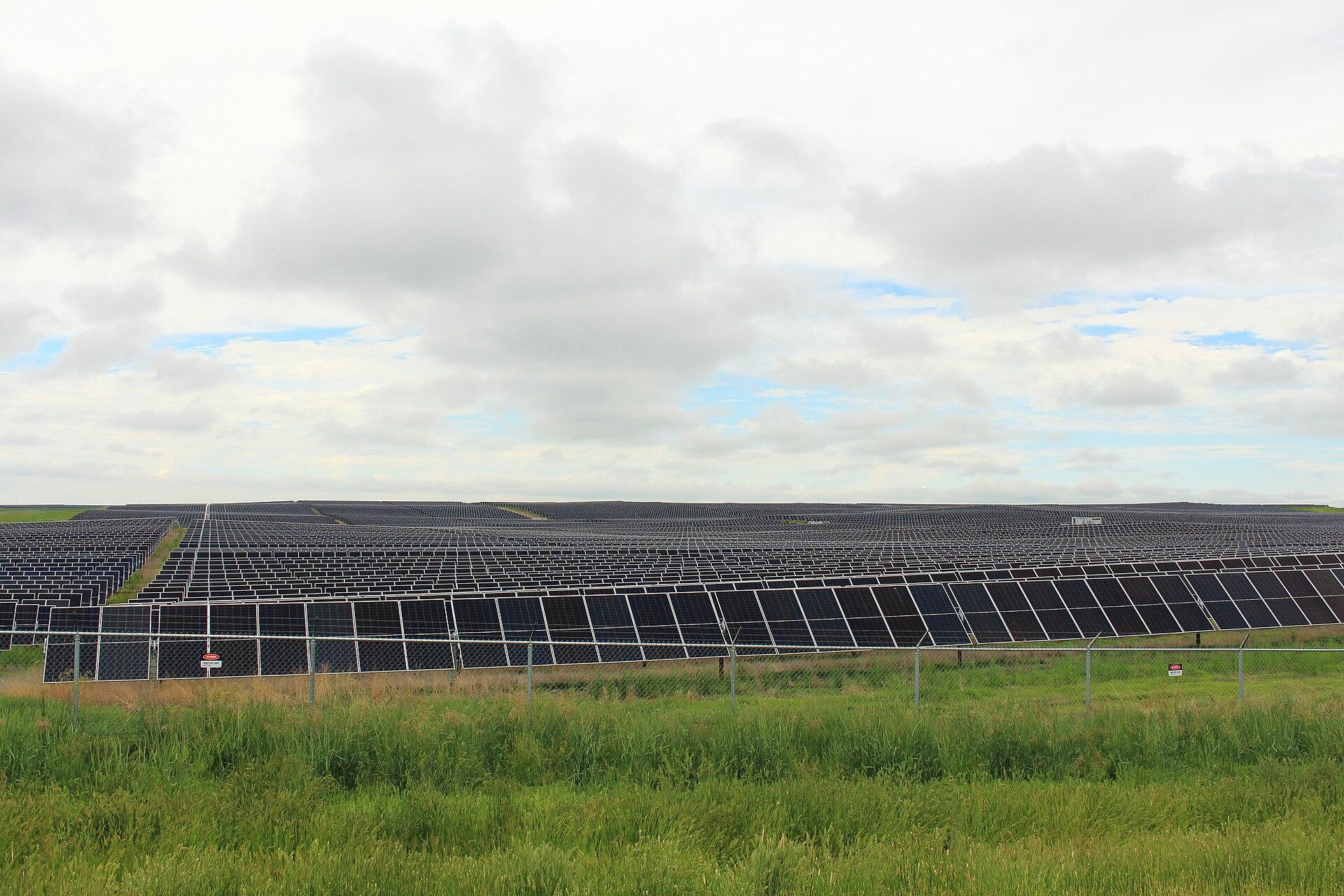 Real photograph
Solar Arrays
Instead of building one larger object, repeat a unit that already works.
SOLAR ARRAYSPublic sources · Original interpretation · Traceable evidence
Once you have thought it through,
run an experiment.
Bring a real project. Leave with a clearer next step.
Open the Decision LabThat thing you keep thinking about?
Make it a thing you actually do.
Start with a good question. Give your project a checkup.
Check my projectFree · No account needed · Saved in your browser